Materials Spotlight • Bioplastics
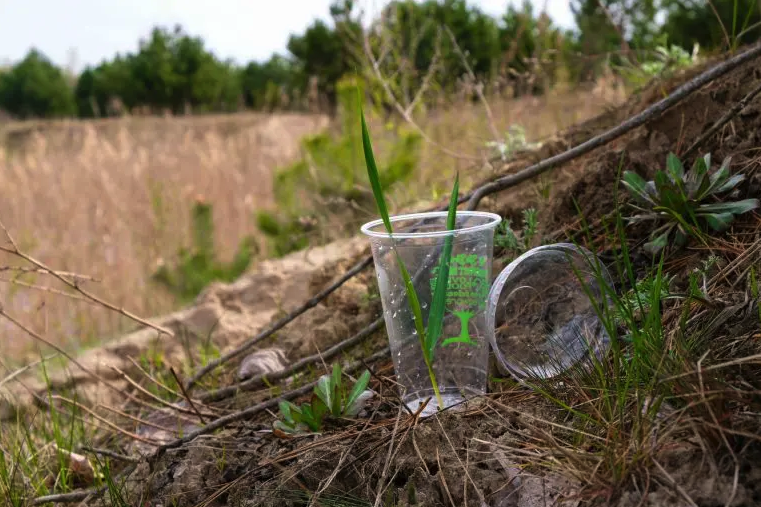
Bioplastics have emerged over the past decade and are often touted as a solution for the future. According to forecasts, their market share is expected to grow year after year. Here’s a quick overview of this material. Topics covered: development context, definition, markets, a closer look at PHA, growth, and innovation projects…
Environmental awareness and regulations: Are bioplastics a viable alternative?

Since the middle of the last century, plastic use has increased twentyfold. Consumers are becoming increasingly aware of the negative impact of plastic on the environment. Manufacturers are also aware of this negative impact, both on the environment and on their brands. In addition, they must take into account current and future French and European regulations.
It is against this backdrop that researchers and manufacturers are seeking new alternatives to provide a better end-of-life solution for our packaging and other everyday items. What about bioplastics?
What is a bioplastic?
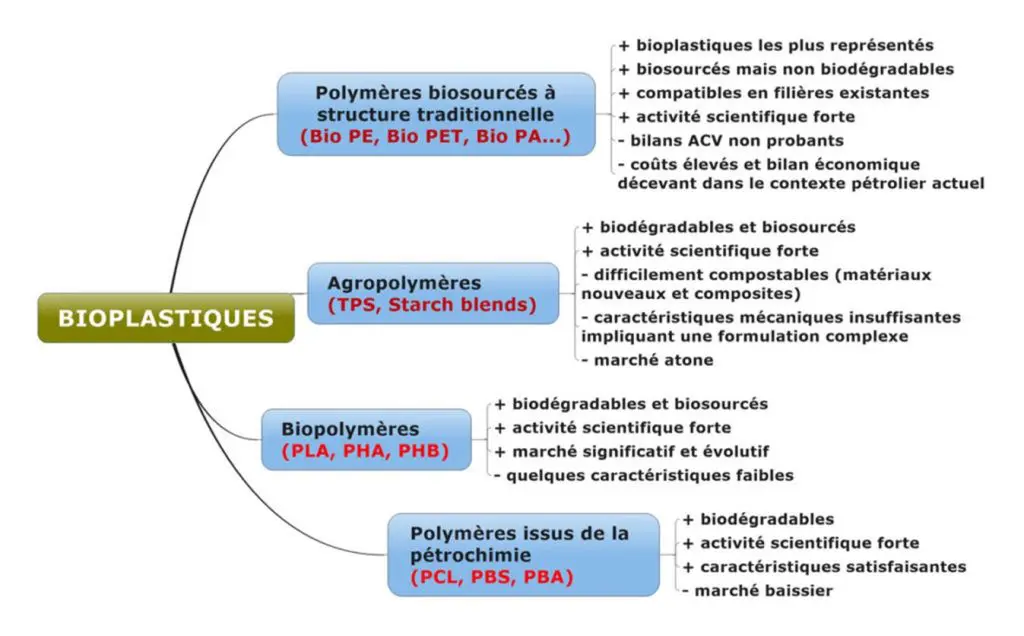
Bioplastics are polymers, primarily thermoplastics, and less commonly thermosets. They are plastics:
- On the one hand, bio-based ( derived from biomass);
- In addition, biodegradable ( including compostable).
Many applications for bioplastics
Packaging remains the largest market segment for bioplastics, although applications continue to diversify year after year. Markets such as the automotive and construction sectors are growing, driven by increasing capabilities in functional polymers.
Bioplastics are used in various industries:
- Flexible and rigid packaging;
- Building and construction;
- Transportation & Automotive;
- Textiles
- Health
- Electrical and Electronic Products
- Coatings and adhesives
- Sports
- …
Focus on PHA (polyhydroxyalkanoate)
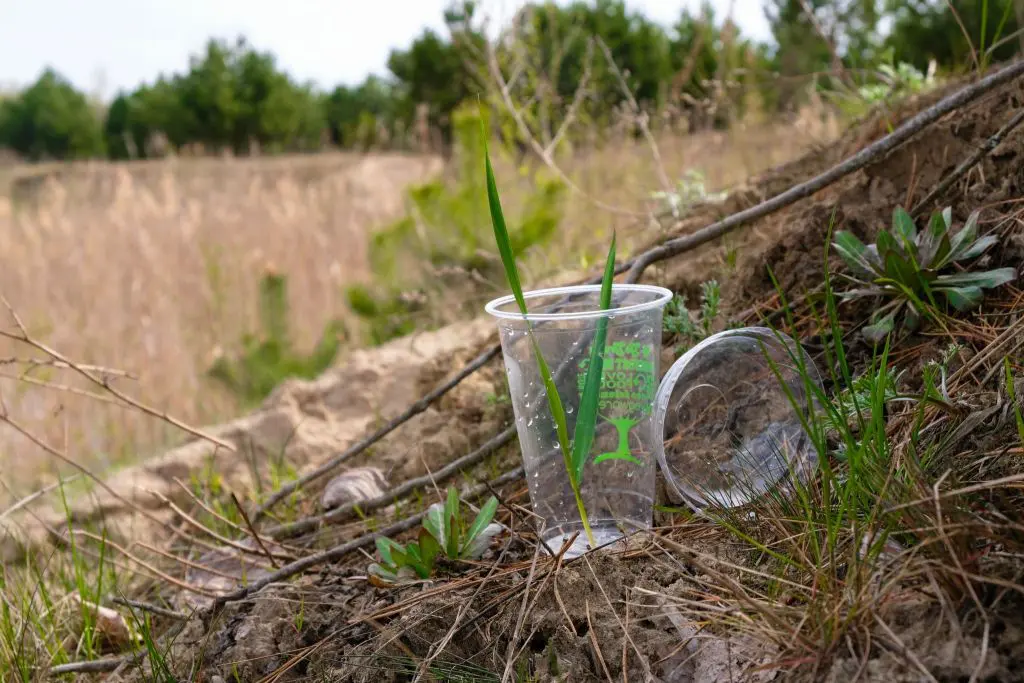
PHAs are biopolymers synthesized through microbial fermentation, primarily derived from rapeseed oil. During this fermentation process, PHA polymers accumulate within bacterial cells in the form of granules when a nutrient essential for bacterial growth becomes scarce.
The PHA family is extensive, and the range of associated properties is therefore broad. The chemical structure of these polyesters varies depending on the substrate-bacteria combination used and the fermentation conditions.
Compostable and biodegradable, PHAs have many other qualities: high degree of polymerization, good UV resistance, biocompatibility, non-toxicity…
Global production is growing rapidly
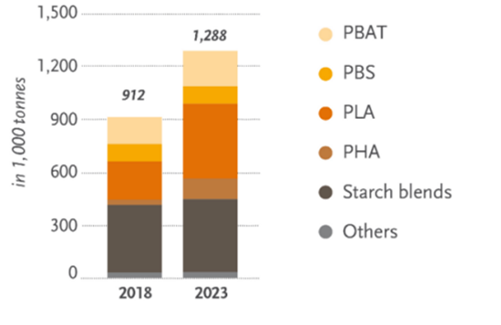
Overall, the production of biodegradable plastics is booming.
PHA production accounted for a small portion of total biopolymer production (1.8%) in 2021. However, this production could triple by 2023, reaching 100,000 metric tons per year.
Spotlight on Innovation Projects
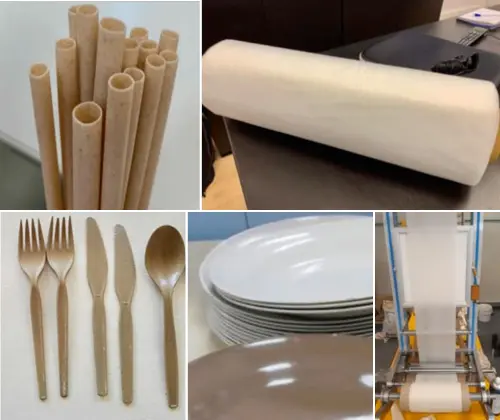
In these areas, we are involved in several European projects aimed at developing new alternatives to plastic:
- LOOP4PACK – Packaging made from sustainable bioplastics derived from agro-industrial waste;
- Usable Packaging – A new value chain for bioplastics, based on inexpensive and widely available raw materials;
- GLOPACK – Research into food packaging with a low environmental footprint, offering the potential to extend the shelf life of food products;
- SeaBioComp – Development and demonstration of sustainable bio-based composites for the marine environment.
Our team is here to assist you with your projects related to this topic (finding partners and funding, project planning and monitoring, etc.): please feel free to contact Frédéric MERLE.
Manufacturers can also rely on the stimulus package to invest in research into alternatives to plastics, such as bioplastics.
Sources and credits: GLOPACK, European Bioplastics, nova-Institute

Do you have a project?
We can help you!
Sign up for the EuraMaterials newsletter
Quarterly newsletter • Monthly calendar recap • Occasional opportunity emails
Nos partenaires & reconnaissances