Linen: a symbol of purity and craftsmanship
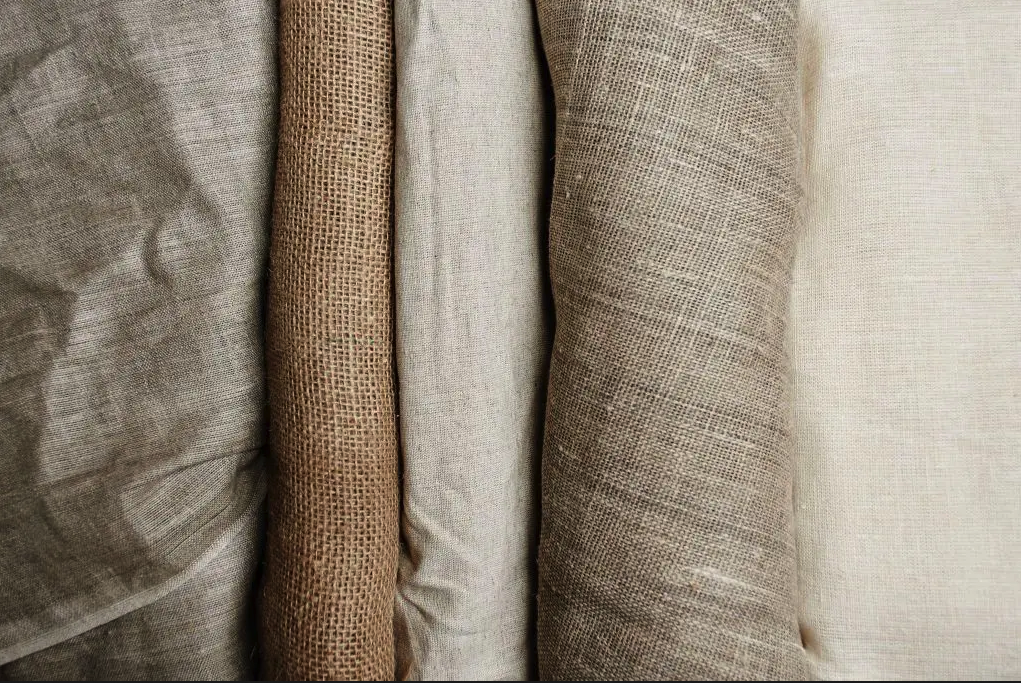
Linen, a natural fiber cultivated for thousands of years, is much more than just a material. As a symbol of purity, it is renowned for its immaculate whiteness, delicate softness, and natural luster. Moreover, linen is closely tied to traditional craftsmanship, as its cultivation and processing require meticulous expertise passed down from generation to generation. It is this unique combination of nobility and finesse that makes linen a prized emblem in the worlds of fashion, interior design, and craftsmanship, embodying both timeless elegance and artisanal authenticity.
Linen from Ancient Egypt to Medieval Europe: A Symbol of Purity and Craftsmanship
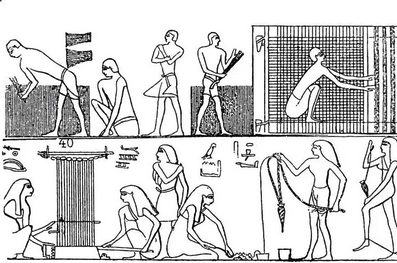
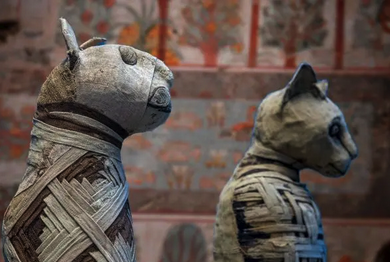
The history of flax dates back thousands of years and is marked by sacred and religious traditions, as well as periods of decline and revival. The earliest evidence of flax has been found in Europe, particularly in Switzerland, where seeds, thread, fabric, and ropes dating back to 8,000 BC have been discovered. In Egypt, flax was considered a symbol of purity and divine light, and was used to clothe priests and wrap the deceased.The Egyptians were experts in the art of cultivating, spinning, and weaving flax, creating exquisitely delicate fabrics with extremely fine threads. It is said that Egyptian tunics were woven from air, as one could slip an Egyptian tunic through the ring of a finger.
In the Middle Ages as well, druids wore linen, and the dead were wrapped in linen shrouds.
The decline of flax in favor of cotton: the Industrial Revolution
However, after centuries of cultivation, flax nearly disappeared entirely due to the barbarian invasions.
It was only gradually that the plant made its comeback, encouraged by Charlemagne in the 8th century. Indeed, poor hygiene, combined with poorly cleaned wool, meant that sheep secretions mixed with human sweat, thus causing serious diseases such as leprosy. But the ancients had already understood this well: flax is a healthy fiber that wards off disease. Thus, Charlemagne reintroduced the use of linen fabrics and bandages to treat and relieve lepers, and the fiber made its comeback. Although we couldn’t explain why back then, today we can confirm that linen has hypoallergenic properties (which minimize the risk of allergies), antifungal properties (which destroy microscopic fungi or prevent their growth), and antibacterial properties (which prevent the growth of bacteria).
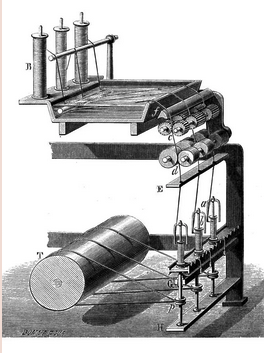
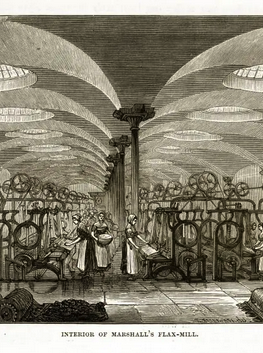
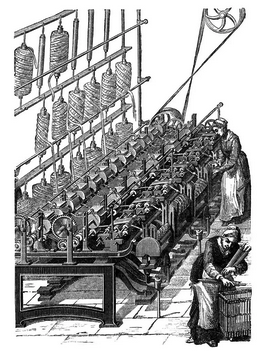
Although linen had been selling well since the 14th century, the Industrial Revolution saw cotton take off thanks to a machine capable of spinning short fibers into a long, marketable thread. The price of cotton then plummeted following the invention of a cotton gin in the United States in 1793. Technological advances in spinning then drove down the price of the raw material, forcing efforts to address bottlenecks in weaving. In just 37 years, between 1771 and 1808, England’s imports of raw cotton increased twelvefold. At the same time, the use of flax fibers continued to grow, but its growth did not keep pace with that of cotton and faced difficulties, particularly in bleaching the product. Although recognized for its superior quality compared to cotton, the cultivation and processing of flax required a great deal of labor and expertise. This helped maintain a high price for flax, making it a prized luxury product.
The Revival of the Linen Industry in France
In the mid-1990s, the French textile industry faced a severe crisis. Forced to cut production costs, companies were compelled to downsize their workforce and partially relocate: French spinning mills gradually closed their doors.
Flax prepared for spinning—known as scutched flax—is exported to Asia and Eastern Europe.
Safilin, a French company, aims to contribute to the revitalization of a thriving and committed industrial region. With the assistance of EuraMaterials and support from France Relance as part of the “Resilience – Strategic Inputs for Industry” initiative, the LINFILA project was selected as a winner in March 2021. Thus, sixteen years after the closure of the last flax spinning mill in France, a glimmer of hope emerged in 2022: Polish and French workers are working hand in hand to reestablish the first flax spinning mill in France, in Béthune. With an annual capacity of 380 tons (and eventually 500 tons), they are meeting the growing demand for local and eco-friendly products. Their range of yarns caters to various uses of linen for clothing, linens, upholstery, and decorative fabrics.
Extraordinary properties!
Flax is considered the champion of eco-friendly fibers! In fact, during its growth, it requires very little fertilizer, and thanks to its very long roots, it does not require irrigation. It is a hardy plant that also needs five times fewer pesticides than cotton. Furthermore, since the entire plant is used after harvest, the soil is left clean and free of residual waste. The humid coasts of Picardy, Normandy, Brittany, and Pas-de-Calais are particularly well-suited to flax cultivation.
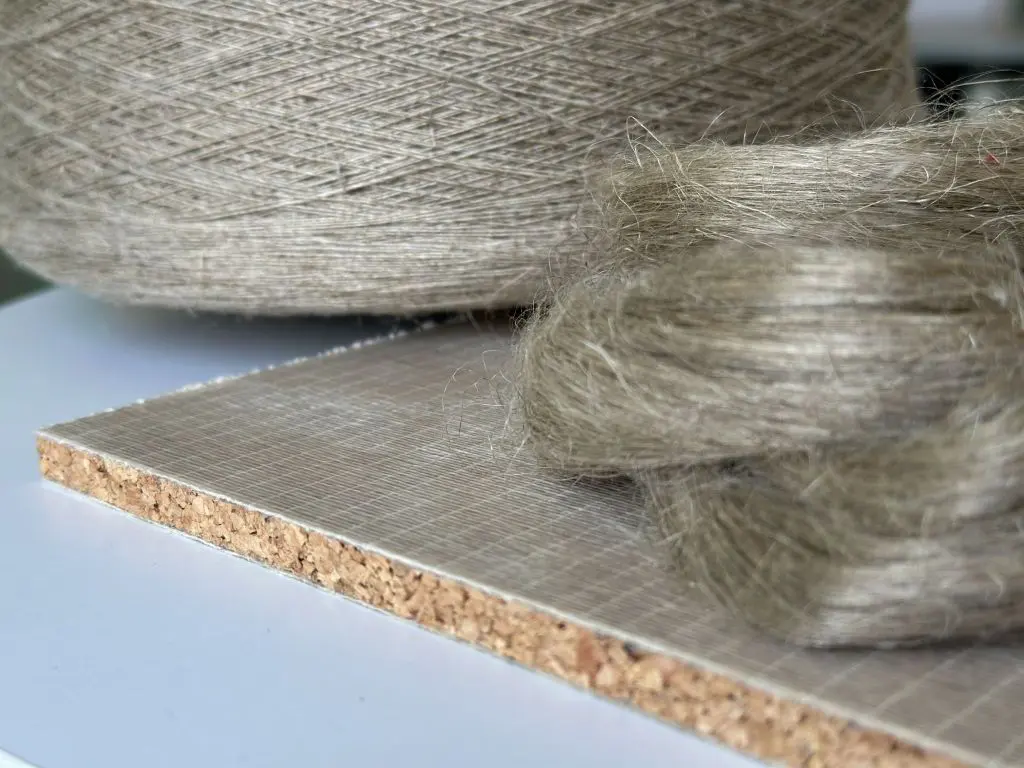
Linen has hypoallergenic, antifungal, and antibacterial properties, making it ideal for sensitive skin and skin conditions. As a natural insulator, it provides consistent thermal comfort. In winter, it regulates body temperature without irritating the skin, while in summer, it is breathable, cooling, and can absorb up to 20% moisture. Furthermore, it is strong, durable, and improves with age, like a fine wine. Unlike cotton, which loses quality and shape, linen gains softness and beauty. It does not lose its shape or pill, ensuring the longevity of garments and making it an ideal choice for linens and upholstery fabrics. Furthermore, linen is also a valuable fiber for technical applications such as composites used in sports and the automotive industry.
Do you have a project?
We can help you!
Sign up for the EuraMaterials newsletter
Quarterly newsletter • Monthly calendar recap • Occasional opportunity emails
Nos partenaires & reconnaissances