The Use of Recycled Materials in France: Challenges and Prospects
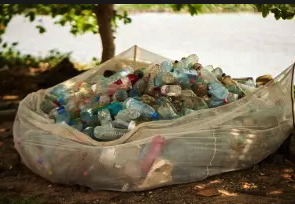
In France, the incorporation of recycled materials into industry is encouraged and regulated through several legislative and regulatory measures: the Energy Transition for Green Growth Act (LTECV), the Anti-Waste Act for a Circular Economy (AGEC), the Packaging and Packaging Waste Regulation (PPWR), etc.The use of recycled materials would contribute to better waste management by promoting their recovery, reduce resource consumption, and maximize the reuse and recycling of materials. This should help create a more sustainable economic model and address some of the challenges related to material supply and resource consumption.
In practice, incorporating recycled materials isn’t always that easy to implement. Indeed, it still presents numerous challenges in termsof investment, quality, availability of recycled materials, and evenimpacts, as recently demonstrated by the example of LEGO (see “The LEGO Group remains committed to making LEGO® bricks from sustainable materials,” September 27, 2023).
INVESTMENT
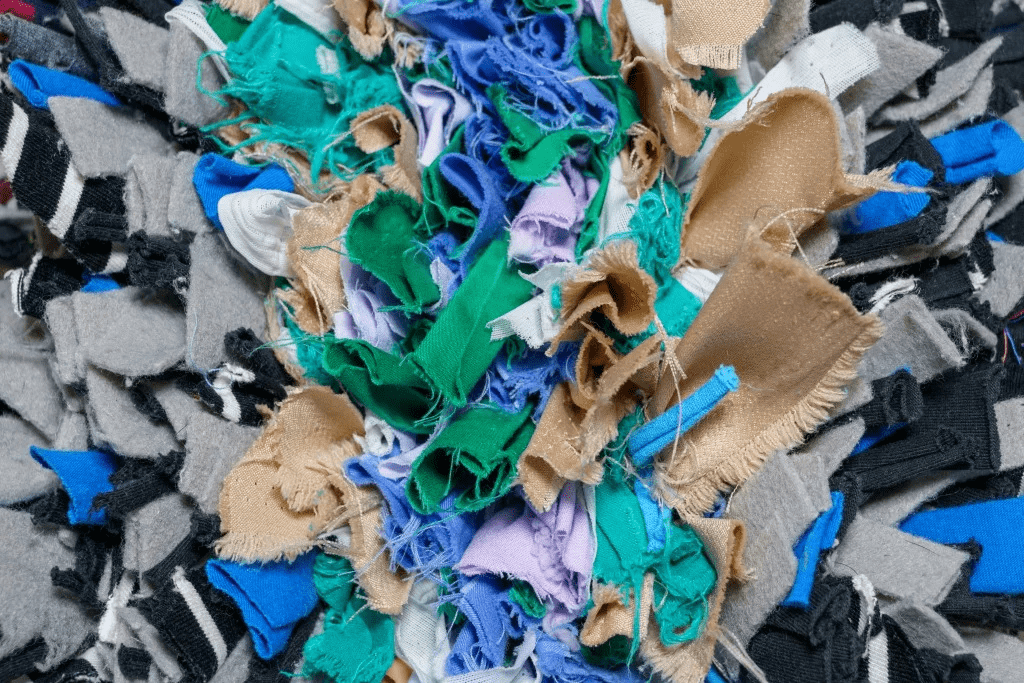
Recycling is a process that involves industrial transformation, as well as collection, sorting, and processing, all of which require significant investment in:
- The development of recycling technologies to improve the quality of recycled materials, make them more competitive compared to virgin materials, and streamline the overall process (collection, sorting, processing, and integration).
- The modernization of industrial infrastructure to incorporate recycled materials into the production process (new production lines, retrofitting of existing equipment, etc.).
- Partnerships and collaborations with other stakeholders in the value chain, such as suppliers of recycled materials and recycling companies… These partnerships help share the costs and risks associated with incorporating recycled materials
- Training and raising awareness among employees to ensure the successful integration of recycled materials into industrial processes.
QUALITY
The recycling process can lead to a deterioration in the physical properties of materials, such as mechanical strength, flexibility, or durability. There may also be issues related to incompatibility and pollution. The lack of traceability for recycled materials also makes it difficult to verify their origin and quality. In this regard, the implementation of the Digital Product Passport should make it easier to track the composition, origin, and lifecycle of products and materials, including recycled materials.
MATERIAL AVAILABILITY
A company can, through a closed-loop system, reintroduce its own waste to reuse raw materials and create new products, or, through an open-loop system, capture waste streams from other entities and transform them into secondary raw materials for reintegration into its own production process. Beyond technical and organizational challenges, material availability is a major issue for companies seeking to reintegrate recycled materials into their production processes. This competition is driven by several factors:
- Increased demand for recycled materials, driven by growing awareness of environmental issues and the adoption of stricter regulations regarding recycling and the circular economy
- The limited availability of high-quality materials
- International competition to secure supplies of recycled materials. Companies that can guarantee substantial volumes are likely to be in a strong position, as evidenced by the strategies currently being implemented by major corporations.
- Price volatility

THE IMPACTS
Finally, each material has a different environmental impact, as does its recycled equivalent. Not all materials have the same characteristics, and industrial processes may vary. The impact of incorporating recycled materials will therefore vary and must be analyzed to validate the industry’s decision to replace a particular material with its recycled equivalent. In the case of Lego, the use of rPET ultimately resulted in higher emissions than those of the virgin material it was intended to replace!
Another factor to consider in terms of impacts isthe increase in demand for certain types of recyclable materials, which is likely to place additional pressure on the natural resources required for their production.
The integration of recycled materials into industry is a powerful driver for the transition toward more sustainable production and consumption patterns. Manufacturers that adopt this approach can not only improve their sustainability but also strengthen their competitiveness and brand image, while positioning themselves favorably in the face of regulatory changes and consumer expectations. However, the challenges, unintended consequences, and other limitations must be carefully considered in this approach. The integration of recycled materials must be considered within a comprehensive strategy for transitioning toward environmental sustainability and economic viability.
In France, there are several programs designed to help you accelerate your projects involving the integration of recycled materials. As a competitiveness cluster, EuraMaterials can guide you and help you accelerate your projects.
Would you like more information or assistance?
Do you have a project?
We can help you!
Sign up for the EuraMaterials newsletter
Quarterly newsletter • Monthly calendar recap • Occasional opportunity emails
Nos partenaires & reconnaissances