Food Packaging: A Look Back at the May 19 Symposium
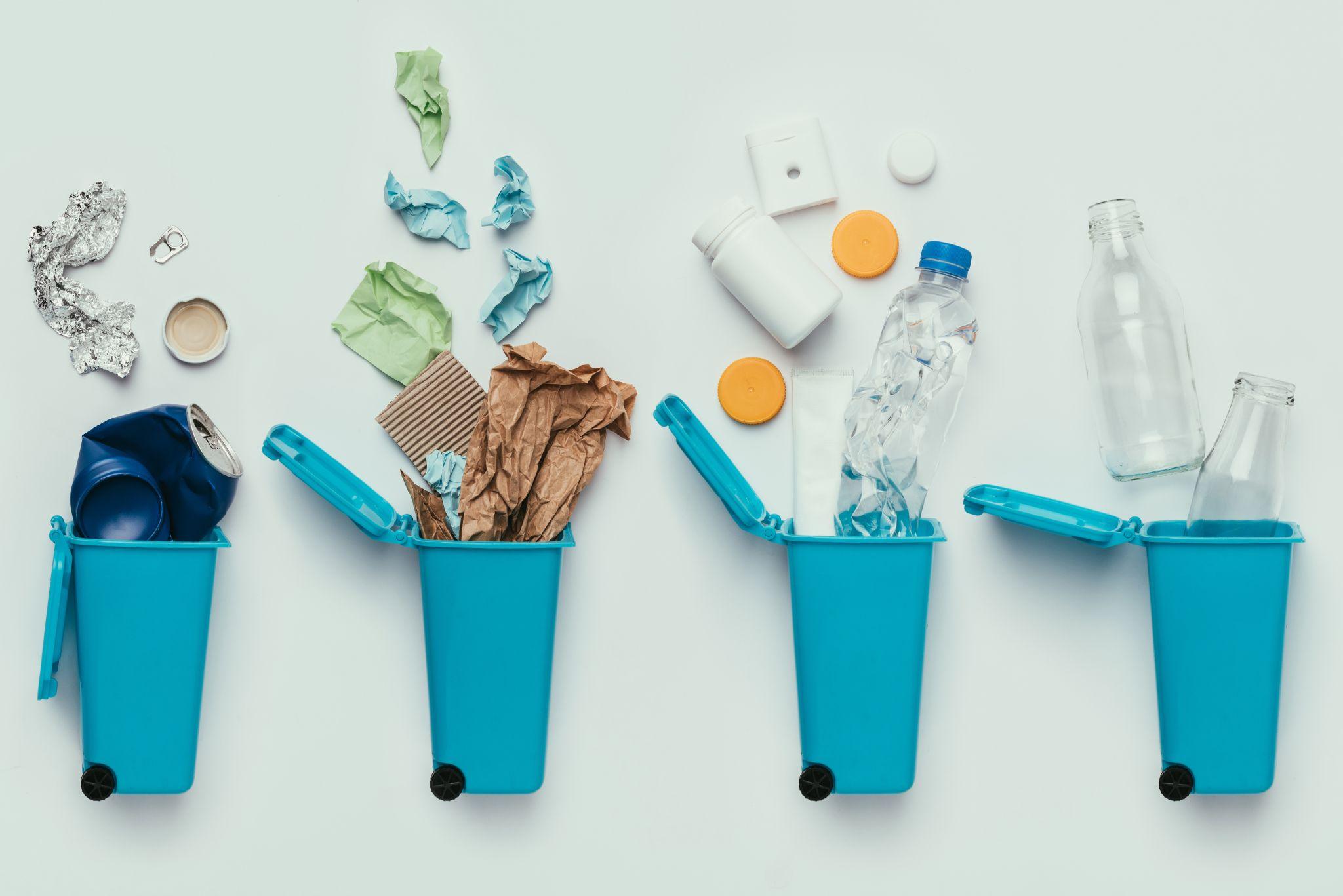
Organized by EuraMaterials, Ania, and the CoPack Chair on May 19, this conference brought together more than 140 participants to discuss a highly topical issue: the sustainability of food packaging. Held in a hybrid format, the event brought together professionals from the agri-food sector, technical experts, representatives of environmental organizations, and institutional stakeholders.
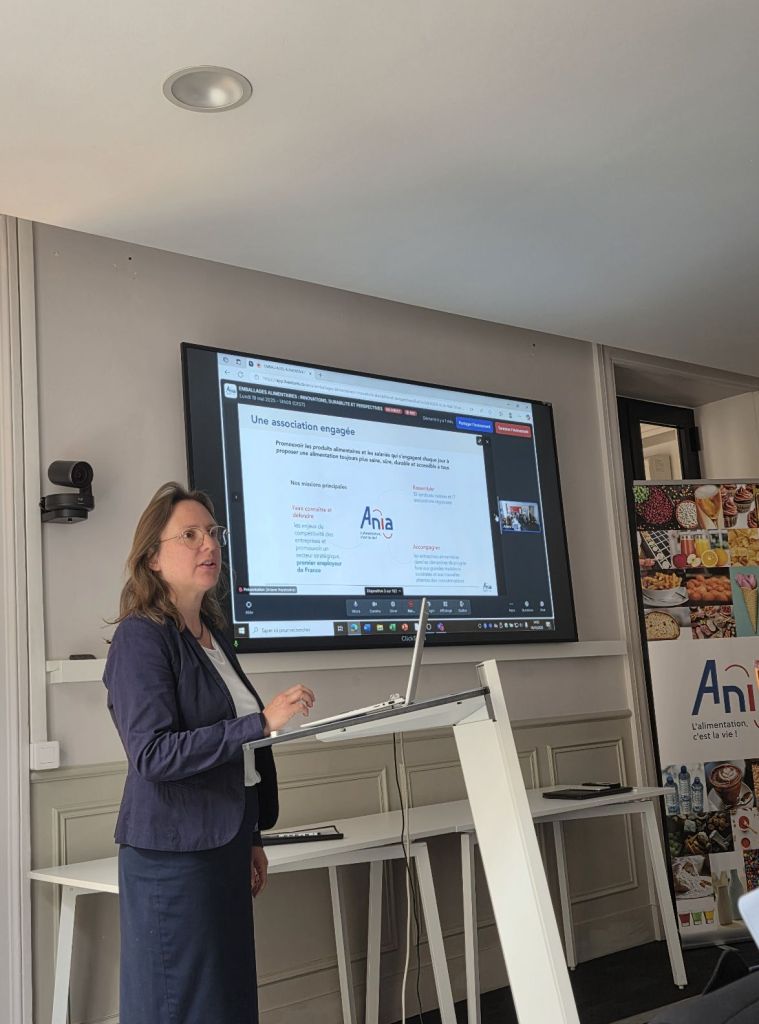

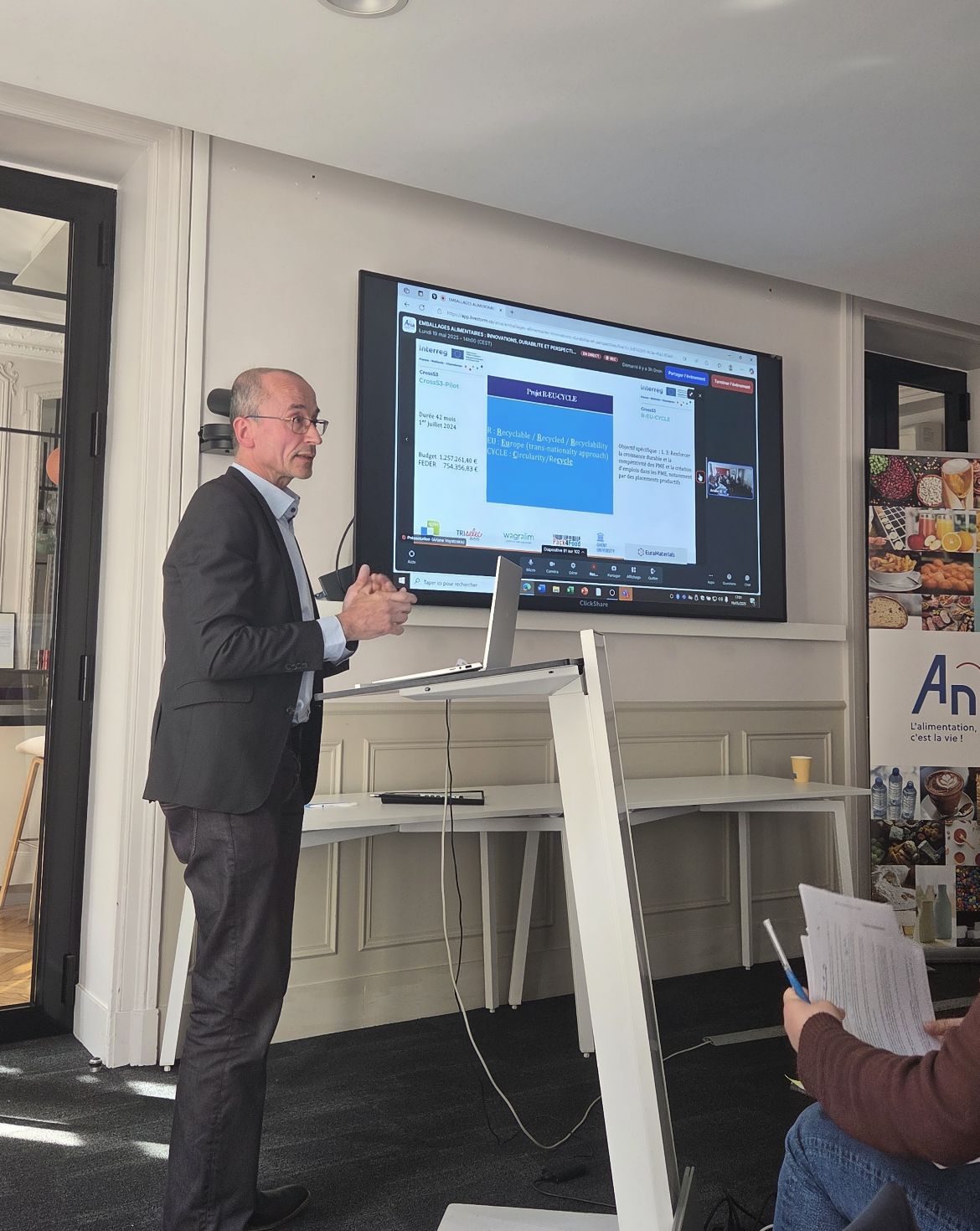
On the agenda for this half-day session, which promises plenty of discussion:
- An overview of the current regulatory landscape, as presented byANIA, focusing on the EuropeanPPWRRegulation and theAGEC Act.
- A Focus on theReuse of Food Packaging, Featuring Insights fromCiteo, Léko, IPC, andCTCPA.
- Presentations of innovative projects, such as theCo-PackChair and theR-EU-Cycle project.
- And above all, a highlight: apanel discussion onfood packagingrecycling.
Spotlight on the Roundtable Discussion:Packaging Recycling – Challenges and Opportunities for Safe Reintegration
Moderated by our packaging expert, Frédéric Merle, this roundtable brought together five speakers with complementary backgrounds, reflecting the diversity of perspectives within the industry:
- Juliette Beaulieu,Recycling Development Managerat Citeo
- Nicolas Pont,Technical Directorof Recycling and Eco-Design at Léko
- Agnès Jacquot, Director of CSR and Communications at Sources Alma
- Muriel Case, Executive Director of Syndifrais
- Christophe Deboissoudy, President of the French Association for Bio-based Compostable Materials (AFCB)
Their discussions revealed areas of common ground, while also raising questions about recycling technologies, European regulations, access to recycled materials, and the consumer’s role in the ecosystem.
Recycling streams: current status and complementarity
The environmental organizationsCiteoandLékohave emphasized the importance ofcomplementarity between mechanical, chemical, and organic recycling:
- Mechanical: to be preferred when the material allows it.
- Chemical: required to ensure food contact compliance for complex plastics, such aspolystyreneor certainPET trays.
- Organic: a potential end-of-life option (provided regulations allow it) for certain bio-based materials, provided the industry can organize itself
A need for industrialization, but at what cost?
While thepolystyrene processing chainestablished bySyndifraisrepresents asignificant step forward, it currently relies on asingle plant in Belgium (Indaver). The question ofindustrial sovereigntyhas therefore been raised: shouldn’t Francedevelop several small unitsrather than a single centralized mega-plant?
“We’re talking about a 60-million-euro investment and 26,000 tons of capacity. But is this viable if we don’t have secure access to the raw material? ”– Muriel Case (Syndifrais)
Theenvironmental costof chemical recycling, as well as thestill-vague specifications, remainobstaclesto be overcome.
The Case of PET: A Closed-Loop System, but Insufficient Collection
Sources Alma, France’s first bottler to produce its own recycled PET, has demonstrated that“bottle-to-bottle” recycling works technically: some bottles already contain100% recycled PET.
But the obstacles lie elsewhere:
– Price of recycledvs. virgin material
– Difficult sourcing
– Collection rates still too low(barely more than 1 in 2 bottles)
“The consumer plays a key role: if the bottle doesn’t go in the recycling bin, it leaves the recycling loop.”– Agnès Jacquot (Sources Alma)
Deposit-Return Systems: A Solution or a Controversy?
Citeo and Léko agree on one point:a deposit system can improve collection. But themodel currently being proposed raises questions:
– Loss of volume for sorting centers
– Ownership of materialsunder debate
– Coordination with local authoritiesdeemed essential
TheREUSE pilot program, featuring a refundable deposit system at retail locations, seemspromising but will need to be integrated into astable economic model.
Compostability: Miracle Solution or Dead End?
The AFCBhas shed valuable light oncompostable bioplastics: beware of misconceptions. France prioritizeshome composting, butwithout a clear framework, confusion reigns.
“Compostable isn’t recycling. It’s waste prevention, and it needs to be regulated.” ”– Christophe Deboissoudy (AFCB)
The prospects are real…provided that processing conditions are clearly defined.
Pressure on the supply of recycled materials
Several stakeholders have reportedsignificant strain on RPET supplies, particularly due tocompetition from Asia.
According to Nicolas Pont, this is not a real issue: bottle manufacturers are primarily food packaging producers. The debate surrounding their responsibility is therefore, in his view, a false problem. The current strain on the RPET market stems mainly from a shortfall in bottle recycling, linked in particular to sorting issues upstream.
In conclusion
This conference provided a clear and nuanced overview of the challenges and opportunities involved in making food packaging a key component of the transition to a circular economy. Collaboration among the various stakeholders —including producers, processors, recyclers, local governments, and consumers—is now more essential than ever.
What's next?
- Thepublication of calls for proposals on reuse(Citeo and Léko)
- And theimplementation of the PPWR, which will undoubtedly serve as a catalyst for future developments.
This second edition of the symposium “Food Packaging: Innovations, Sustainability, and Outlook” was a resounding success, and we are delighted to have brought together so many stakeholders committed to these critical issues.
The interest generated, the richness of the discussions, and the quality of the presentations reinforce our desire to hold the event again next year.
We hope to see even more of you there!
The conference was recorded: you can (re)watch the presentations
and the roundtable by accessing thefull replay here:
Finally, if you are astakeholder in the packaging value chainand would like to:
– better understand regulatory issues,
– receive support for youreco-design, reuse, or recycling projects,
or simply discussinnovation opportunitiesin this field, please contact Frédéric MERLE
Do you have a project?
We can help you!
Sign up for the EuraMaterials newsletter
Quarterly newsletter • Monthly calendar recap • Occasional opportunity emails
Nos partenaires & reconnaissances