Replacing Plastic: A Complex Debate Surrounding an Omnipresent Material
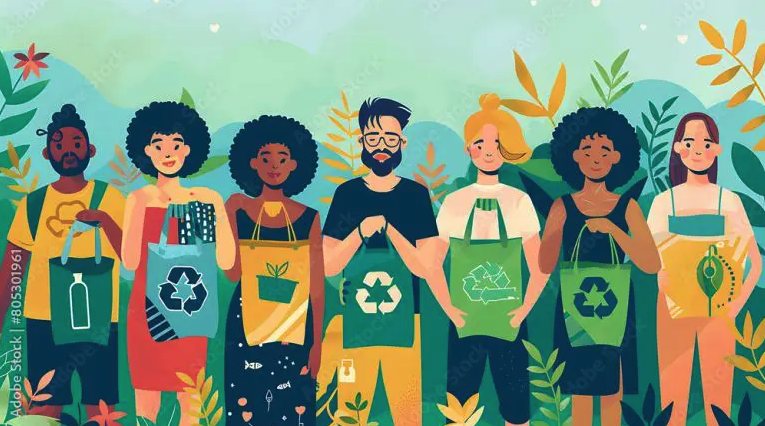
Plastic is currently at the center of an intense and complex debate, with opinions divided between those who defend it for its many benefits and those who condemn its devastating effects on the environment.
We will first explore the arguments in favor of plastic, highlighting its crucial role in our modern society, and then examine the increasingly urgent criticisms leveled against this ubiquitous material.
Finally, we will consider ways to regulate its use responsibly, without compromising our food security or completely giving up certain aspects of our comfort.
Part 1: Arguments Against Plastic Bashing
Food safety
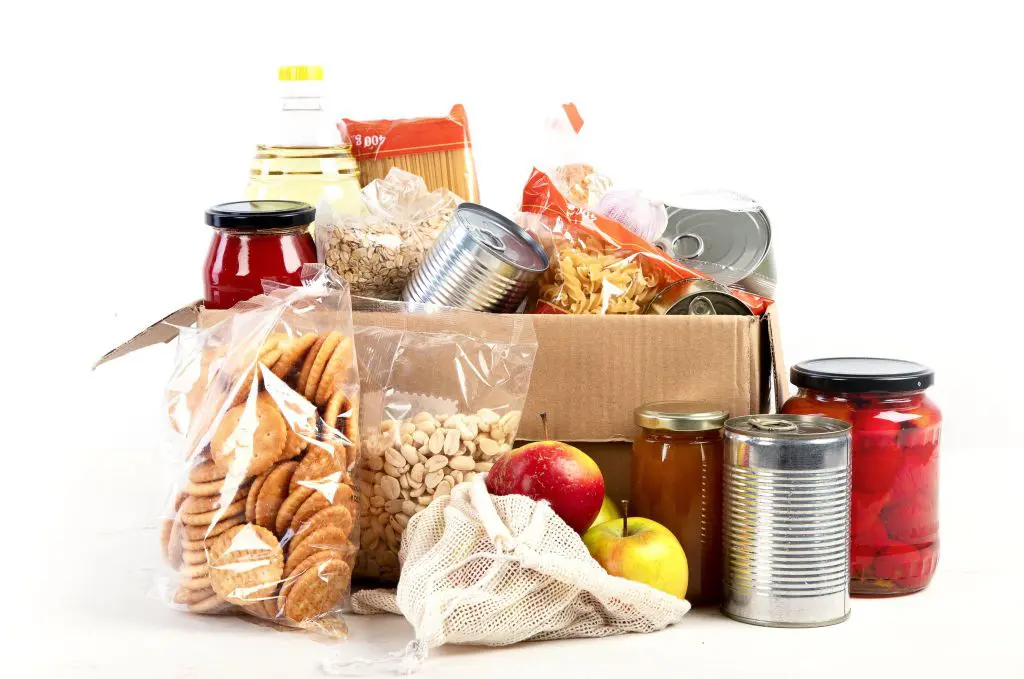
One of the main reasons plastic is widely used is its ability to protect food.
Plastic packaging provides an effective barrier against contaminants, moisture, air, and light, thereby extending the shelf life of food products.
This not only contributes to food safety but also helps reduce food waste.
The figures in this regard are particularly alarming, given that 20% of the food produced in the European Union is lost or wasted.
On average, a European citizen throws away 173 kilograms of food per year.
Without plastic, we can assume that these food losses would be considerably higher, which would pose a major challenge in a world where food security is already a growing concern.
It should also be noted that the carbon footprint associated with food production is often much higher than that of the plastic packaging used to protect that same food.
Consequently, preventing food waste through effective plastic packaging reduces the overall carbon footprint.
Ease of industrial processing and versatility
Plastic is an incredibly versatile material.
It can be molded, cut, and transformed into a wide variety of shapes and sizes, making it the material of choice for a wide range of industrial applications. This ease of processing enables large-scale production while keeping costs relatively low. Today, all industries use this material in various forms to produce essential goods.
In the automotive industry, plastic is used to produce lightweight and durable parts, thereby reducing vehicle weight and contributing to improved fuel efficiency; in the electronics industry, plastic enclosures protect sensitive electronic components from dust, moisture, and impact; plastics are also used for printed circuit boards (PCBs), connectors, and keyboards.
In the medical industry, plastics are used to manufacture syringes, gloves, catheters, and other single-use medical devices, ensuring maximum hygiene and safety for patients and healthcare professionals.
Part 2: Arguments in favor of plastic bashing
Direct environmental impacts
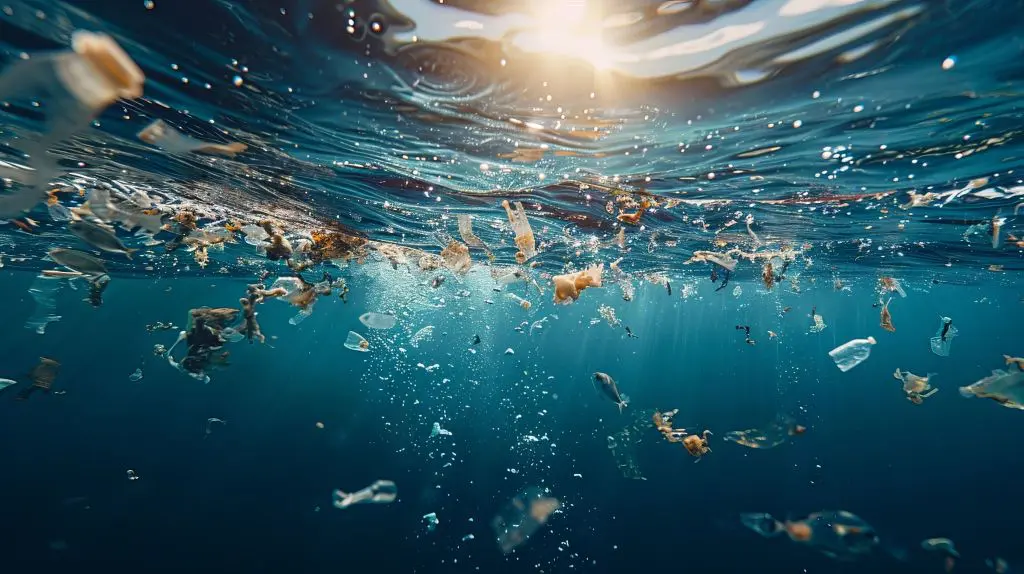
Despite its many advantages, plastic has devastating environmental impacts. One of the main criticisms is its contribution to ocean pollution. It is estimated that between 9 and 14 million tons of plastic waste are dumped into the ocean each year—that’s 1 ton of plastic waste entering the oceans every 3 seconds. This waste forms “continents” of floating debris, severely affecting marine wildlife.
Furthermore, plastics often contain chemical additives (such as phthalates, bisphenols, and flame retardants) that can be released into seawater.
These toxic substances can be absorbed by marine life, and through the food chain, they can eventually reach humans. Plastics also act as sponges for other pollutants present in the marine environment, such as pesticides and heavy metals, thereby concentrating these toxins.
Finally, plastic debris can serve as rafts for marine organisms, such as algae, mollusks, and microorganisms, allowing them to travel long distances and invade new habitats.
These invasive species can disrupt local ecosystems by competing with native species, thereby disrupting local food chains.
It is also worth noting that plastics disrupt marine ecosystems by altering natural habitats. Coral reefs, for example, can be damaged by the accumulation of plastics, which can suffocate the corals or block the light they need for photosynthesis. The breeding grounds of many marine species can also be affected by the presence of plastic debris.
Microplastics
Microplastics—plastic fragments smaller than 5 mm—and even smaller plastic nanoparticles are of particular concern.
They result from the breakdown of larger plastic waste or are produced directly as microbeads in certain cosmetic and industrial products.
Microplastics are likely to be ingested through food; they have been found in various foods, including seafood, table salt, bottled water, and even some processed products. These microparticles are also present in the air, particularly in urban and industrial areas. Particles suspended in the air can be inhaled by humans, reaching the lungs. Current scientific studies suggest that microplastics may have harmful effects on human health, particularly through various forms of inflammation, endocrine disruption, and exposure to toxic substances.
Excessive use, but substitution should be approached with caution
The "all-plastic" culture has also led to excessive use of this material, often for applications where it is not essential.
There are examples where plastic could easily be replaced or eliminated, either with more sustainable alternative materials or with solutions that avoid the use of plastic altogether.
This is clearly the case for plastic bags, which can easily be replaced by reusable fabric alternatives.
Nevertheless, we must be wary of oversimplifications, as substituting one material for another can have unexpected harmful effects. Replacing a plastic bottle with a glass bottle is the most striking example.
Studies show that if glass bottles are not reused at least 3 to 5 times, their environmental impact will be far greater than that of plastic bottles, particularly in terms of energy consumption and CO2 emissions!
Working on substitution involves measuring all of its impacts but also, undoubtedly, making certain choices regarding consumption patterns.
Part 3: Alternative Approaches – A Shift in Paradigm?
Bio-based materials
Bio-based plastics are made from renewable resources such as corn starch, sugarcane, or cellulose. The types of biomass used can vary widely and are generally classified by generation based primarily on how they are produced or obtained.
First-generation biomass, which directly uses food resources, is distinguished from second-generation biomass, which uses non-food resources (byproducts, waste), and third-generation biomass, which can be grown off-soil and is non-food (microorganisms: microalgae, bacteria, fungi, yeast, etc.).
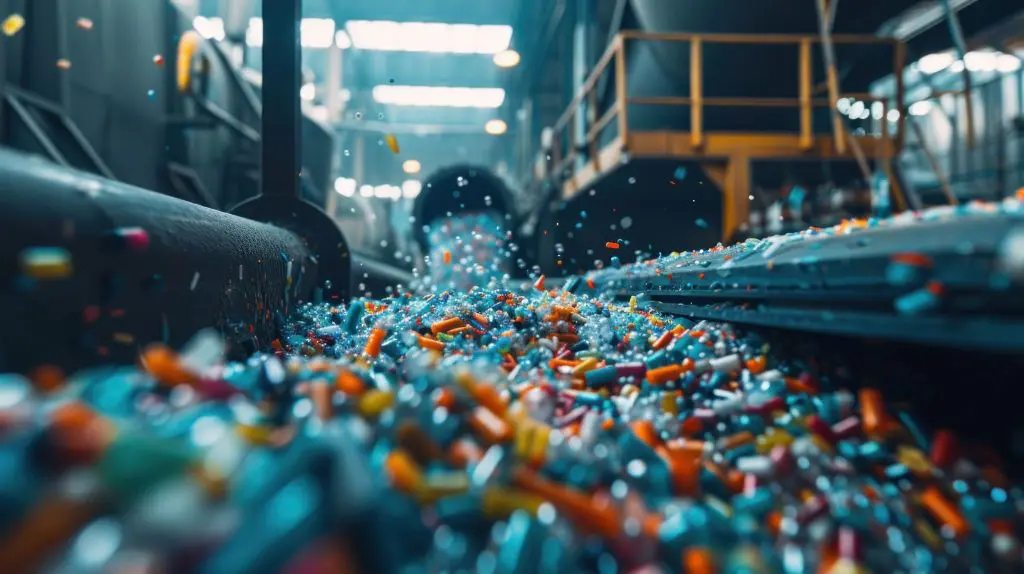
Some bio-based plastics arechemical equivalentsof existing polymers (such as bio-basedPET,PE, orPA), while others feature innovative andoften biodegradablestructures (such asPLA,PHA,PBS, etc.), even though these two characteristics are not necessarily related.
From a technical standpoint, bio-based plastics with a structure identical to that of petroleum-based polymers will have the same properties and will therefore require only minimal investment for their use. Although derived from living organisms, these materials remain non-degradable and, if not recycled, are likely to have the same environmental impact at the end of their life cycle as traditional plastics.
Certain bio-based and biodegradable plastics are already part of our daily lives. This is the case with PLA, which is notably the material of choice for 3D printing. It is also used in the medical field for its biocompatibility properties, but it is also found in the manufacture of mulch films, trays, and various types of packaging (such as yogurt containers). Although bio-based, it is compostable only in industrial settings, and the lack of a recycling infrastructure remains a barrier to the widespread adoption of this alternative material.
Current research is very promising and indicates that, with continued improvements, bio-based materials have the potential to replace traditional plastics in many applications.
However, in many applications, particularly for packaging, further advances are still needed in terms of material performance, production costs, and the establishment of adequate infrastructure for end-of-life product management.
Regulations will need to evolve in parallel to allow for wider use of bio-based materials. It is worth noting that today, the proposed PPWR (Packaging and Packaging Waste Directive) limits the use of bio-based materials to organic waste collection bags, lightweight plastic bags, tea bags, coffee filters or capsules, and self-adhesive labels used on fruits and vegetables.
While end-of-life management remains the main obstacle to the development of these materials today, a study is currently underway—notably through the AgroParistech Foundation and the Copack Chair —to provide scientific evidence of the proper performance of these bio-based plastics in industrial composting and to foster the emergence of an end-of-life sector.
Paper/cardboard
Cardboard is often seen as an eco-friendly alternative to plastic, as it is made from wood, a renewable resource—especially when sourced from certified forests (such as FSC or PEFC)—unlike plastic, which is primarily produced from petroleum.
It is often made from recycled fibers, which further reduces the need for new raw materials and limits the overall environmental impact.
If released into the environment, it degrades much more quickly than plastic, and many types of paper and cardboard are also compostable. Despite all these apparent environmental advantages,the environmental impact of replacing plastic with paper is not straightforward, as each material has advantages and disadvantages depending on the environmental criteria evaluated. In summary, it can be put this way: plastic production generally requires less water and may have a lower carbon footprint per unit of weight than paper/cardboard, but the problems of plastic waste and pollution are significant (see Part 2). Paper production, on the other hand, although it uses more water and energy, offers better biodegradability and recyclability, but can have significant impacts on forests if resources are not managed sustainably.
Furthermore, not all packaging materials, for example, can currently be replaced by paper or cardboard, whose intrinsic properties (porosity) do not allow for widespread use.
To address this issue, paper is often combined with another material (usually plastic) as a coating or varnish to provide the barrier properties necessary for proper food protection. These hybrid materials reduce the amount of plastic used but can cause problems in the paper recycling process. It has also been observed that paper, just like plastic, can pose health and environmental risks when mineral-based inks (migration into food) or PFAS (persistent traces in water) are used as additives.
Here again, research is underway to improve the performance of this material without impacting the environment, the consumer, or its end-of-life management.
Reuse
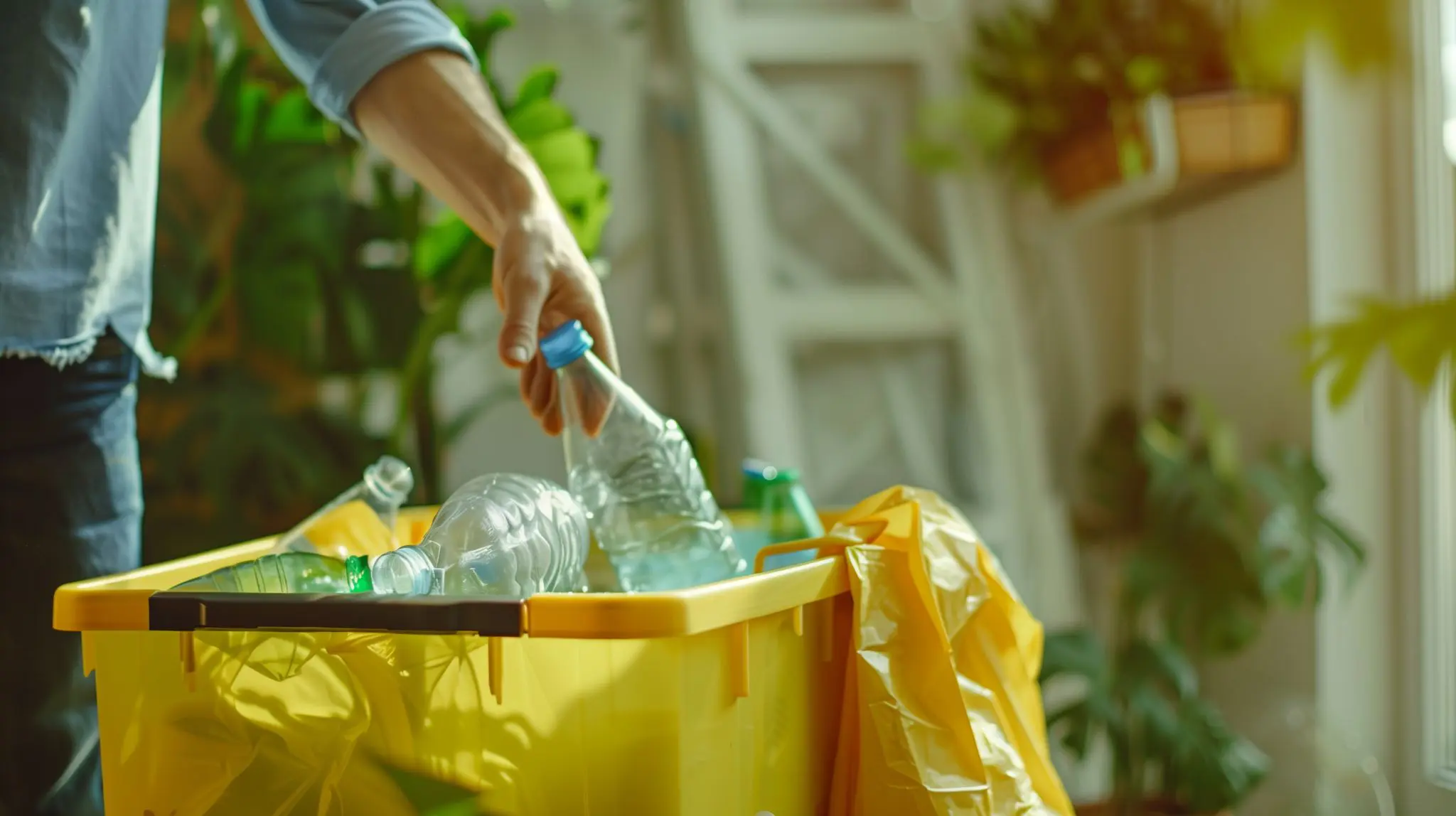
While reusing plastic is clearly an attractive option when it comes to single-use items, it fundamentally challenges our behaviors and habits as consumers.
The case of food packaging is, of course, the most obvious example. There are many barriers, most of which are cultural in nature; changing habits—consumers are accustomed to disposable packaging that is easy to use and dispose of— behavioral changes—cleaning and returning packaging may be perceived as burdensome— and health concerns; consumers, particularly in the food sector, may fear that reusable packaging is not cleaned thoroughly enough, which could pose health risks; and finally , cost— reusable packaging may be more expensive to purchase than disposable packaging, which can deter some consumers, especially if the long-term savings are not clearly perceived.
For businesses, reuse entails new organizational and logistical constraints, along with challenges related to tracking and recovering containers (see our post from November 22, 2023 [LINK] ). It also requires distributors to rally their customers behind these new consumption practices. Furthermore, none of the AGEC law’s objectives for promoting reuse have been met to date (such as the goal of having 5% of packaging reused in France by 2023).
Developing a new service offering is therefore a fundamental challenge for the rollout of packaging reuse.
The return of deposit-return systems is an avenue worth exploring and has been highlighted by the European Commission. It could take the form of a combined deposit-return system (for reuse + for recycling), as recommended bythe Reloop association, to enable a faster expansion of reuse across a broader range of consumers.
Itshould also be noted that starting in May 2025, the reuse of glass containers will be tested in four regions of France—Brittany, Hauts-de-France, Normandy, and Pays-de-la-Loire—as announced by Citeo a few weeks ago.
A total of 30 million glass containers (jars, bottles) will be in circulation during this trial. The deposit amount will range from 20 to 30 cents per bottle or jar.
The stakes are high, as the goal this time is to meet the targets set by the Agec law: 10% of packaging reused by 2027!
Conclusion: Toward a Responsible Use of Plastic
The debate surrounding "plastic bashing" highlights the contradictions and challenges of our time.
On the one hand, plastic is essential to sustaining our modern way of life, particularly in terms of food safety and comfort.
On the other hand, its environmental impact has become unsustainable, requiring urgent action.
It is therefore crucial to consider solutions that limit plastic use without completely disrupting our lifestyles. This involves developing alternative materials, promoting recycling and reuse, and adopting more responsible behaviors, both individually and collectively.
It is also necessary to rethink our societal model, which is based on continuous growth and a constant pursuit of comfort—sometimes unnecessary comfort. This involves making difficult but essential choices to preserve our planet while maintaining an acceptable standard of living for all.
The path ahead is complex, but more sustainable plastic management is possible, provided we strike a balance between innovation, environmental responsibility, and maintaining the gains we’ve made in terms of safety and comfort.
This article was written by Frédéric MERLE.
Would you like to learn more and/or
would you like some guidance?
Contact him!


Do you have a project?
We can help you!
Sign up for the EuraMaterials newsletter
Quarterly newsletter • Monthly calendar recap • Occasional opportunity emails
Nos partenaires & reconnaissances