Examining the textile eco-score: an ecological revolution in the fashion industry
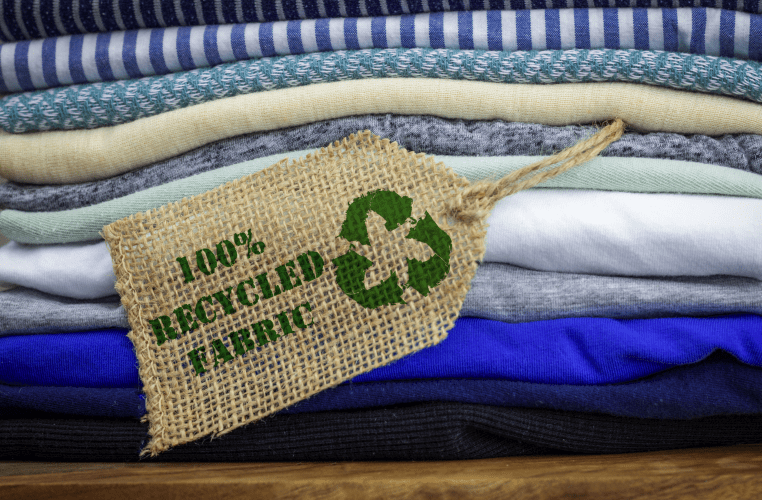
In 2022, 3.3 billion items of clothing, footwear, and home textiles were sold in France, compared to 2.8 billion in 2021. Experts, NGOs, and civil society are committed to regulating the sector and have therefore decided to establish an “ECO SCORE TEXTILE.”
On its website in 2023, the Ministry of Ecological Transition noted thatthe textile industry produced “more greenhouse gases than international flights and maritime traffic combined, and accounted for 4% of the world’s drinking water.”
It will be responsible for 26% of greenhouse gas emissions by 2050 if consumption and production trends remain similar.
In early April 2024, after several delays, the clothing eco-score known as EcoBalyse—which aims to raise awareness of the environmental impact of purchases—was launched, with the release of a beta version of the calculation tool.
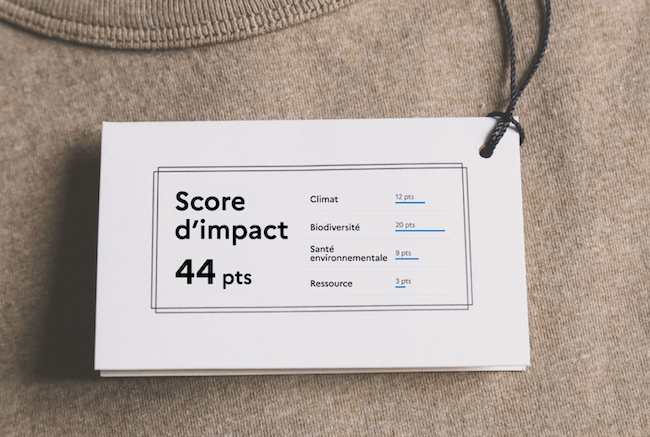
The government announced in a press release that this tool, developed in collaboration withADEME, is designed to enable businesses and industry professionals to easily and free of charge determine the environmental cost of their products, while allowing consumers to check the environmental impact of the clothing they purchase, thanks to a label specifically designed for this purpose
The textile’s eco-score: a key indicator for the ecosystem
As environmental awareness grows, the textile eco-score is becoming an indispensable tool for assessing the environmental impact of products. The goal of this assessment is to ensure complete transparency regarding production methods, from raw materials to the final manufacturing process.
Its primary aim is to encourage the sale of eco-friendly products while combating greenwashing—the practice of artificially enhancing a brand’s eco-friendly image.
The eco-score is calculated using the PEF (Product Environmental Footprint) methodology, which is based on objective and verifiable criteria.
It rates products from A to E based on various factors such as greenhouse gas emissions, biodiversity conservation, natural resource consumption, water consumption, pesticide and chemical use, microplastic emissions, and the impact of fast fashion (collection volumes and turnover).

This approach, initially recommended by the European Commission, has been mandatory since January 1, 2024, with the entry into force of the Climate and Resilience Act. Nevertheless, one problem remains to be addressed: the lack of consideration for the sustainability of clothing in the planned assessment.
Indeed, a product may be manufactured in an environmentally friendly manner but become harmful if it is discarded quickly. This dimension would be added to enhance the assessment’s relevance.
Brands that have pioneered the implementation of the eco-score
Although there is no legal requirement to display an eco-score, some brands have taken the initiative to meet the expectations of environmentally conscious consumers. Lagoped stands out for its eco-score, highlighting its commitment to the environment through European manufacturing.
Other French brands, such as Decathlon and Celio, have also launched major initiatives aimed at promoting more environmentally friendly production. Decathlon highlights its eco-friendly approach by emphasizing the use of sustainable materials and manufacturing methods with a low environmental impact. As for Celio, its FEED GOOD program is showing encouraging results, with 59% of its jeans achieving a positive environmental score.
These brands, along with others such as Okaïdi, Lacoste, and Pimkie, demonstrate a shared commitment to incorporating the eco-score into their environmental initiatives.
In addition to the eco-score, French environmental transparency laws—specifically the AGEC Act of February 10, 2020—already require companies in the textile industry to meet certain compliance standards, thereby bolstering efforts toward a more sustainable and responsible fashion industry.
Would you like more information or assistance with this matter?
Photo credits: Adobe Stock
Do you have a project?
We can help you!
Sign up for the EuraMaterials newsletter
Quarterly newsletter • Monthly calendar recap • Occasional opportunity emails
Nos partenaires & reconnaissances